What happens to skip waste?
Waste management is one of the most pressing environmental challenges in the UK today. Every year, households, businesses, and construction sites generate millions of tonnes of waste. Without responsible disposal and recycling, this waste can contribute to pollution, resource depletion, and increased greenhouse gas emissions. Professional skip hire companies play a vital role in managing this waste safely and sustainably, ensuring it is collected, sorted, and processed in line with UK regulations.
In this guide, we will explore what happens to skip waste, the journey it takes from collection to final disposal, and how choosing a licensed skip hire company can make a significant difference for both your project and the environment.
What is Skip Waste?
Skip waste includes all materials collected in skips for disposal or recycling, making them suitable for domestic, commercial, and construction projects. Domestic skips often contain household rubbish, food scraps, garden waste, and broken furniture, while commercial skips hold office waste such as paper, packaging, and furniture.
Construction and demolition sites produce materials like bricks, concrete, timber, metals, and soil, and some skips may also contain hazardous items such as batteries, chemicals, or electronic waste. Understanding the types of skip waste helps ensure safe handling, proper sorting, and environmentally responsible disposal.
The Journey of Skip Waste
When a skip is full, licensed skip hire companies take responsibility for collecting and transporting the waste to certified management facilities. This process ensures compliance with UK environmental regulations and minimises risks during transit.
Collection and Transportation
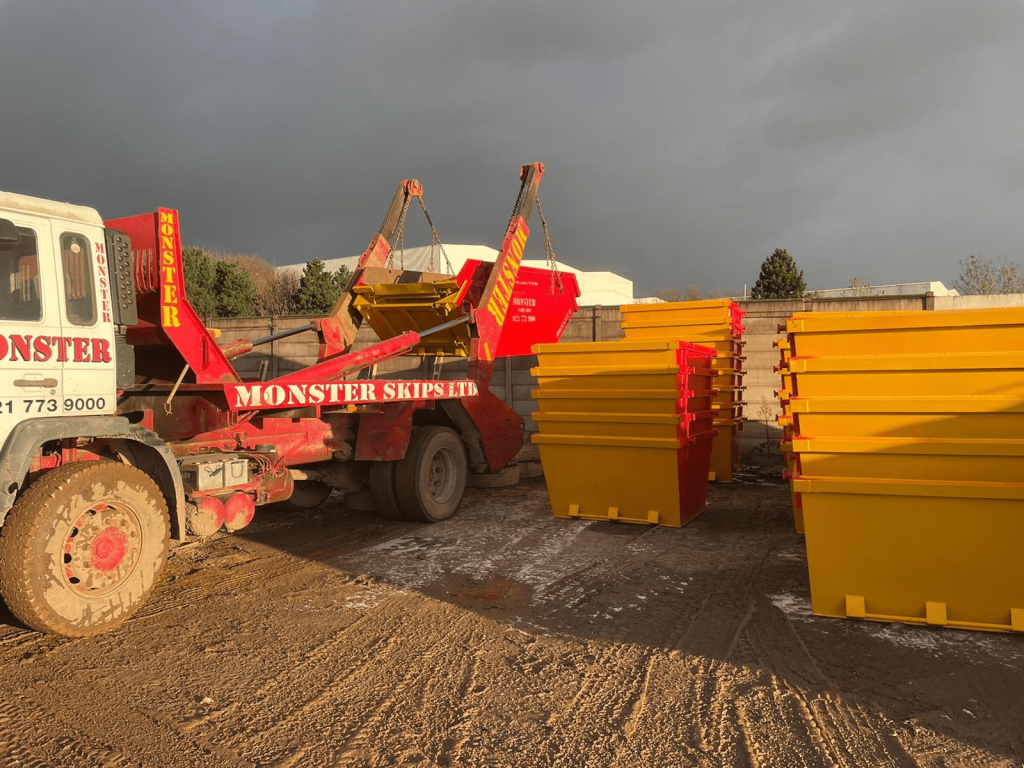
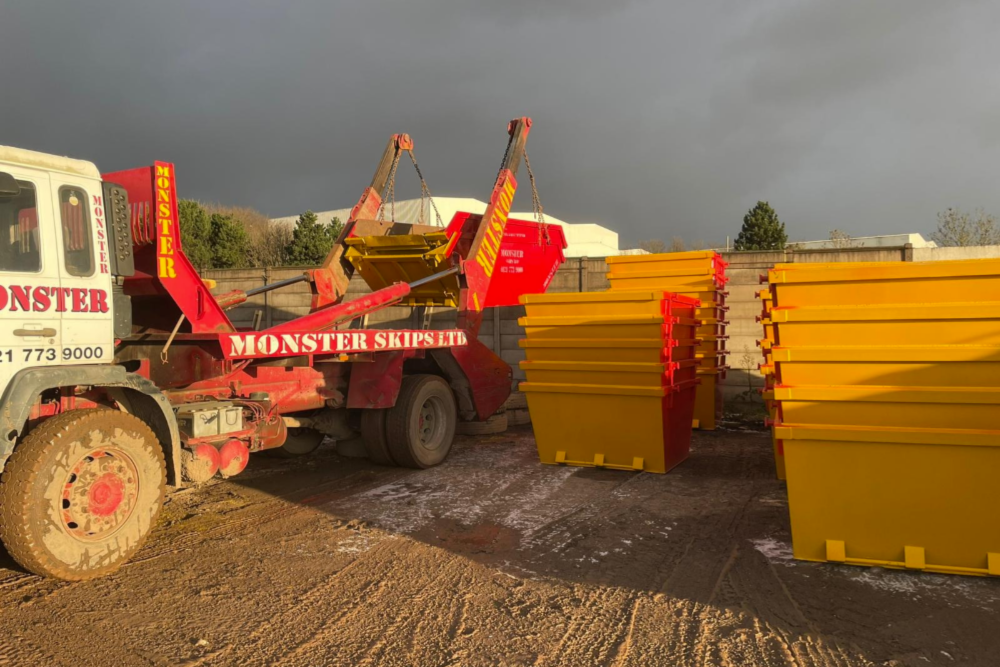
Professional skip hire providers carefully load skips onto collection vehicles and transport them safely to licensed facilities. All measures are taken to prevent spillage or contamination, ensuring the process is safe, efficient, and environmentally responsible.
Sorting and Separation
At the waste management facility, the contents of each skip are sorted to maximise recycling and minimise landfill impact:
- Recyclables: Metals, plastics, paper, and cardboard are recovered for reuse.
- Non-recyclables: Items that cannot be recycled may be sent to landfill or incineration.
- Hazardous waste: Managed separately to protect health and prevent environmental damage.
Through proper sorting and separation, licensed skip hire companies help reduce landfill use, recover valuable resources, and promote sustainable waste management practices.
Disposal Methods for Skip Waste
Skip waste is managed using a variety of disposal methods, chosen based on the type of waste and its potential for recycling or reuse.
Landfill
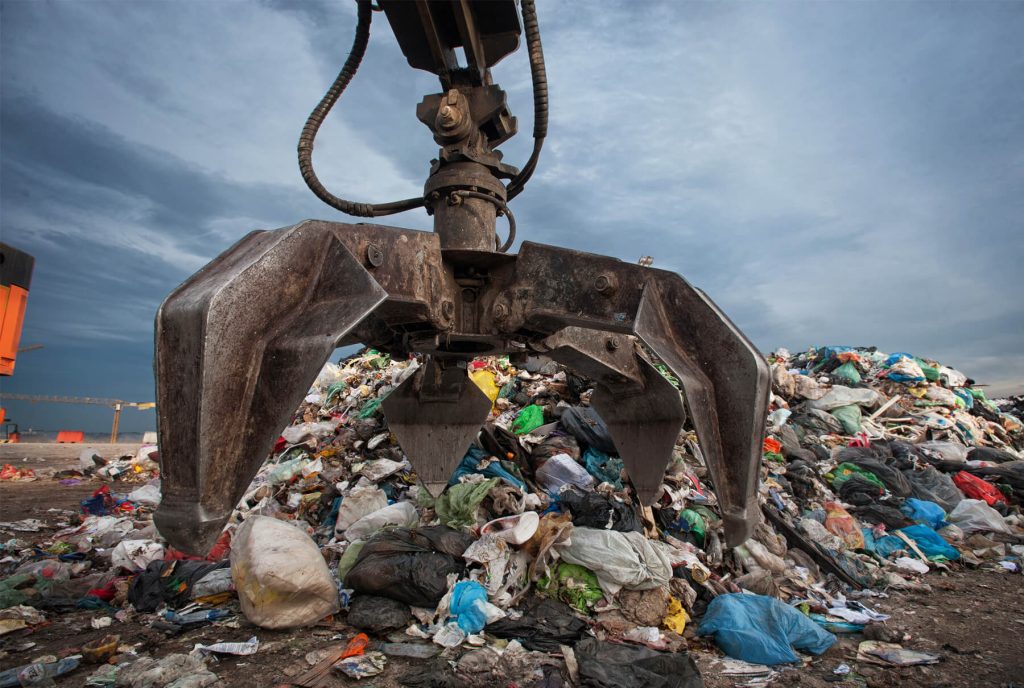
Non-recyclable materials are often sent to modern, engineered landfills designed to minimise environmental impact. These facilities use techniques such as leachate collection and methane capture to reduce pollution and greenhouse gas emissions, ensuring safer waste management.
Incineration and Energy Recovery
Some non-recyclable waste can be incinerated to generate energy. This process not only decreases the volume of waste sent to landfill but also produces electricity or heat that can be used for industrial or community purposes.
Recycling and Repurposing
Recyclable materials, including metals, plastics, glass, and paper, are processed into new products. Recycling reduces the need for virgin resources, conserves energy, and supports a circular economy.
Composting
Organic waste, such as garden debris and food scraps, can be composted into nutrient-rich soil amendments. This method supports sustainable gardening and agriculture while keeping biodegradable waste out of landfills.
The Role of Skip Hire Companies in Sustainability
Skip hire companies play a vital role in sustainable waste management, going beyond simply collecting and transporting waste. They help businesses and households manage their rubbish responsibly while promoting environmentally friendly practices. Key responsibilities include:
- Compliance with UK regulations: Licensed skip hire providers follow strict environmental laws and waste management guidelines, ensuring that all waste is handled safely and legally. This protects both the environment and the customer from potential penalties.
- Prioritising recycling and resource recovery: Reputable companies aim to reduce landfill use by separating recyclables such as metals, plastics, paper, and cardboard from general waste. By recovering valuable materials, they support a circular economy and reduce the consumption of virgin resources.
- Customer guidance and education: Skip hire experts advise clients on proper waste segregation, helping them identify recyclable, compostable, and hazardous materials. This guidance enables customers to actively participate in sustainable practices and reduce their environmental footprint.
- Supporting environmental goals: Trusted providers like Monster Skips Ltd ensure that all collected waste is managed responsibly. By combining efficient operations with eco-friendly solutions, they help clients meet sustainability targets while maintaining compliance with legal and environmental standards.
Choosing the Right Skip Hire Company
Selecting the right skip hire provider is essential for effective and responsible waste management. Start by choosing a licensed and reputable company with positive reviews, which ensures compliance with UK regulations and reliable service. Monster Skips is a trusted provider known for its professional approach and commitment to sustainability.
It’s also important to understand the provider’s recycling policies. Ask about how much waste is recycled, how hazardous materials are handled, and whether environmentally responsible practices are followed. Monster Skips prioritises recycling and proper waste segregation, helping clients reduce landfill impact.
Finally, consider practical factors such as skip sizes and types to suit your project, and confirm that the company operates in your area, especially for larger or ongoing jobs. Partnering with Monster Skips ensures your waste is managed safely, efficiently, and sustainably.
Final Thoughts
The journey of skip waste, from collection and transportation to sorting, recycling, and final disposal, is a vital component of responsible waste management. Partnering with a professional, licensed skip hire company ensures that waste is handled safely, efficiently, and in full compliance with UK regulations.
Whether for a home renovation, commercial project, or construction site, skip hire provides a convenient, cost-effective, and environmentally responsible solution. Choosing a trusted provider like Monster Skips guarantees that your waste management needs are met while supporting sustainable practices and reducing environmental impact.
FAQs
Can I hire a skip for hazardous waste disposal?
Yes, but hazardous waste requires special handling and disposal. Only licensed skip hire companies can safely collect and dispose of hazardous materials like batteries, chemicals, and certain electronics. Always check with your provider before including any hazardous items in your skip.
How long can a skip remain on my property?
The hire duration depends on your project and the company’s policies. Most providers offer flexible periods from a few days to several weeks. If you need a skip on a public road, a permit may be required from your local council.
Are there items that cannot legally go into a skip?
Yes, certain items are prohibited in skips due to environmental and safety regulations. Examples include asbestos, medical waste, certain chemicals, and tyres. Always confirm with your skip hire company to avoid legal or safety issues.
Can skip waste be turned into new products?
Absolutely. Many recyclable materials recovered from skips, such as metals, plastics, and glass, are processed into new products. This helps reduce the need for virgin materials and supports the circular economy.
How do skip hire companies track waste disposal?
Professional skip hire companies maintain detailed records of where waste is taken and how it is processed. Many provide waste transfer notes, which are legal documents confirming that your waste has been handled in compliance with UK regulations.